Many organizations don’t fail because people disagree—they fail because people don’t know how to talk to each other when it matters most.
In this practical and psychologically grounded ...
Many organizations don’t fail because people disagree—they fail because people don’t know how to talk to each other when it matters most.
In this practical and psychologically grounded presentation, negotiation expert, attorney, and mediator Kwame Christian teaches participants how to confidently navigate highly sensitive conversations—including race, identity, values, and other emotionally charged topics—without escalating tension or damaging relationships.
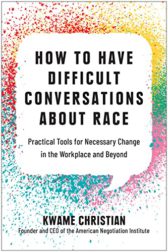
This session is based on Kwame’s second bestselling book, How to Have Difficult Conversations About Race, which focuses not on what people should think about sensitive issues, but how to communicate effectively when strong emotions, fear, and misunderstanding are present.
At its core, this presentation is not about morality or ideology—it is about practical communication skills. Kwame helps participants break down the internal and interpersonal barriers that prevent productive dialogue and teaches them how to engage in difficult conversations in ways that support clarity, trust, and organizational cohesion.
Using his proprietary Compassionate Curiosity Framework™, participants learn how to:
- Regulate their own emotions during high-stakes conversations
- Recognize and work through emotional barriers in others
- Structure sensitive conversations with intention and clarity
- Avoid common mistakes that shut down dialogue or escalate conflict
- Stay outcome-focused while preserving respect and relationships
- Engage in conversations that are honest, constructive, and forward-looking
Rather than telling people what to believe, this presentation equips them with the skills to communicate across difference—even when conversations feel uncomfortable, risky, or emotionally charged.
This session is especially valuable for organizations navigating change, growth, or heightened sensitivity, where avoiding difficult conversations can quietly undermine trust, performance, and collaboration.
By the end of the presentation, participants will have the confidence and tools to engage in sensitive conversations thoughtfully and effectively—turning discomfort into connection and tension into progress.